My Nonpartisan Story
Finding Common Ground: A Nonpartisan Path to Better Public Policy
In a world of deep political polarization, the idea of finding common ground can feel like a distant dream. Yet, as a recent experience at the Ann Arbor Art Fair demonstrated, productive dialogue and surprising agreement are possible when we step outside our ideological bubbles and focus on practical, local issues.

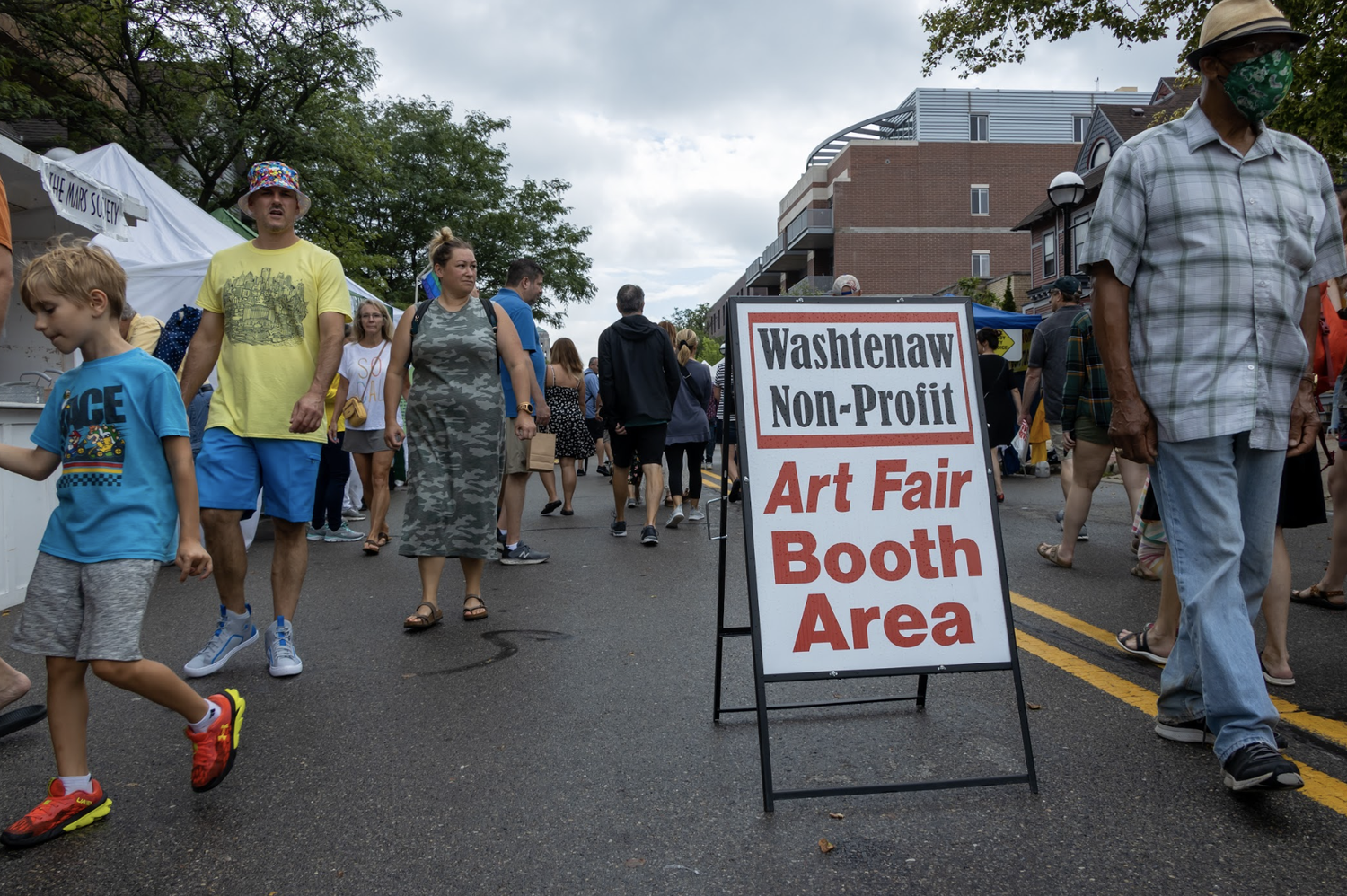
The Ann Arbor Art Fair, a vibrant gathering of art, culture, and community, also serves as a backdrop for diverse public discourse.
Every year, the Ann Arbor Art Fair draws half a million people to our city of 125,000. It’s a place of immense creativity and energy.
This year, amidst the art and the crowds, I had a conversation that was, in its own way, a work of art – a carefully constructed dialogue across the political divide.
The Art of the Conversation
I approached a booth for a local Republican club, not to argue, but to understand. As a wheelchair user and a former city council member with a different political background, I consciously chose a non-confrontational approach. The result was a 53-minute conversation that was not only civil but also incredibly insightful.
 Open and respectful dialogue is the first step toward bridging the partisan divide and finding common ground.
We didn’t agree on everything, but we found surprising areas of overlap. We started with a simple question: should sidewalks be public or private? We both agreed they should be public, albeit for different reasons. They were concerned about personal liability; I was focused on the concept of the commons and public good. The destination was the same, even if our paths to get there were different.
Beyond Ideology: The Power of the Commons
This led to a broader discussion about public goods and local control. We talked about utilities and the role of municipal government. I shared the story of the Brooklyn Microgrid, where residents with solar panels can sell excess energy to their neighbors. This, I argued, is a form of capitalism – a small-scale, community-focused market.
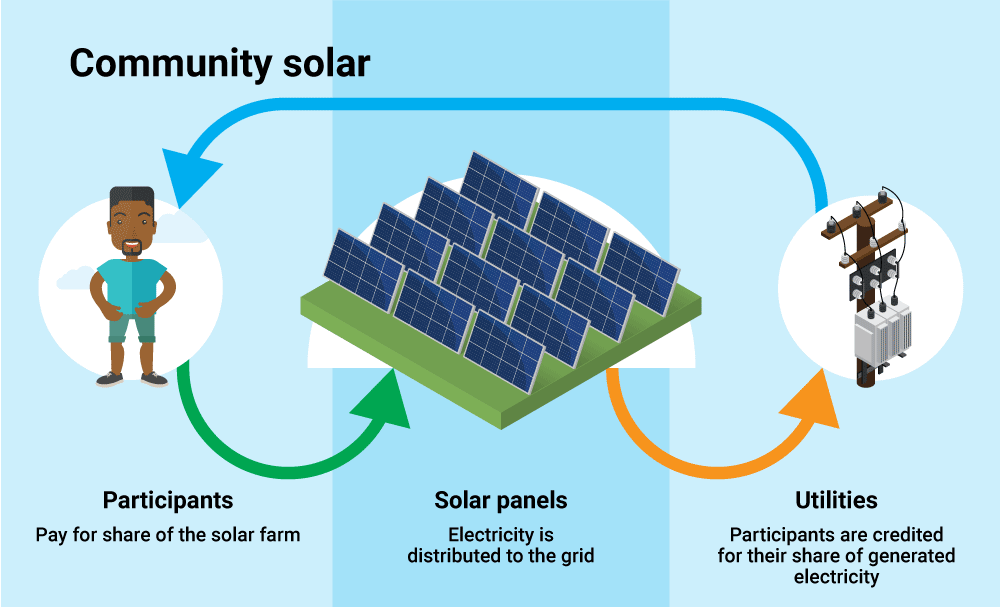
Community Solar
Community-owned infrastructure, like microgrids, represents an innovative approach that can appeal across the political spectrum.
They were intrigued. We discussed how large, investor-owned utilities often lobby against such local energy solutions, stifling competition and innovation. We found common cause in the idea of empowering local communities and keeping resources within the local economy.
 Public spaces and infrastructure, like sidewalks and community gardens, are essential for a thriving and connected community.
Building a Circular, Regenerative Economy, Together
This experience is a powerful reminder that the most effective solutions often lie beyond the rigid categories of “capitalism” and “socialism.” These 20th-century labels are often inadequate for the challenges of the 21st century. Instead of getting bogged down in theoretical debates, we should focus on what works.
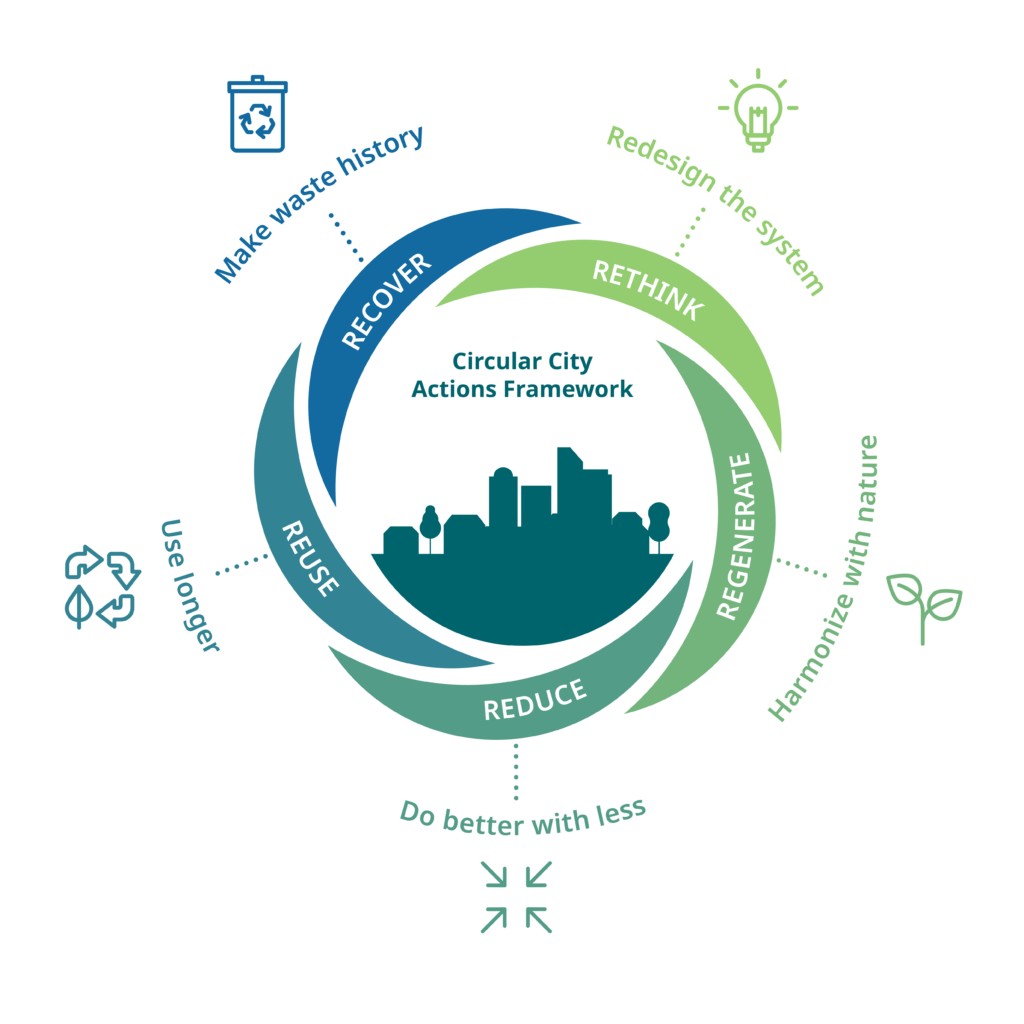
Circular and regenerative economies, which focus on local resources and sustainability, offer a promising path forward that transcends traditional political divides.
By focusing on local public policy, we can build circular, regenerative economies that benefit everyone. We can create systems that keep money and resources in our communities, rather than sending them to Wall Street. This is not a partisan issue; it’s a practical one.
A Call for Common Ground
The next time you find yourself in a conversation with someone from a different political background, I encourage you to resist the urge to argue. Instead, try to listen and find those unexpected areas of agreement. You might be surprised by what you discover.
Let’s move beyond the divisive rhetoric and work together, from the ground up, to build a better future for our communities. Let’s focus on public policy that “floats everyone’s boats.” Our shared future depends on it.